Blog
Reducing paper waste is no longer just an environmental goal. It is a workflow decision that affects how quickly teams capture information, act on it, and follow up. Many workplaces still depend on printed forms, business cards, brochures, and handwritten notes, even though these methods slow things down and create unnecessary friction.
If you are looking for practical ways to reduce paper waste at work, the solution is not to eliminate paper overnight. It is to replace the parts of your workflow where paper creates delays, duplication, and missed follow-ups.
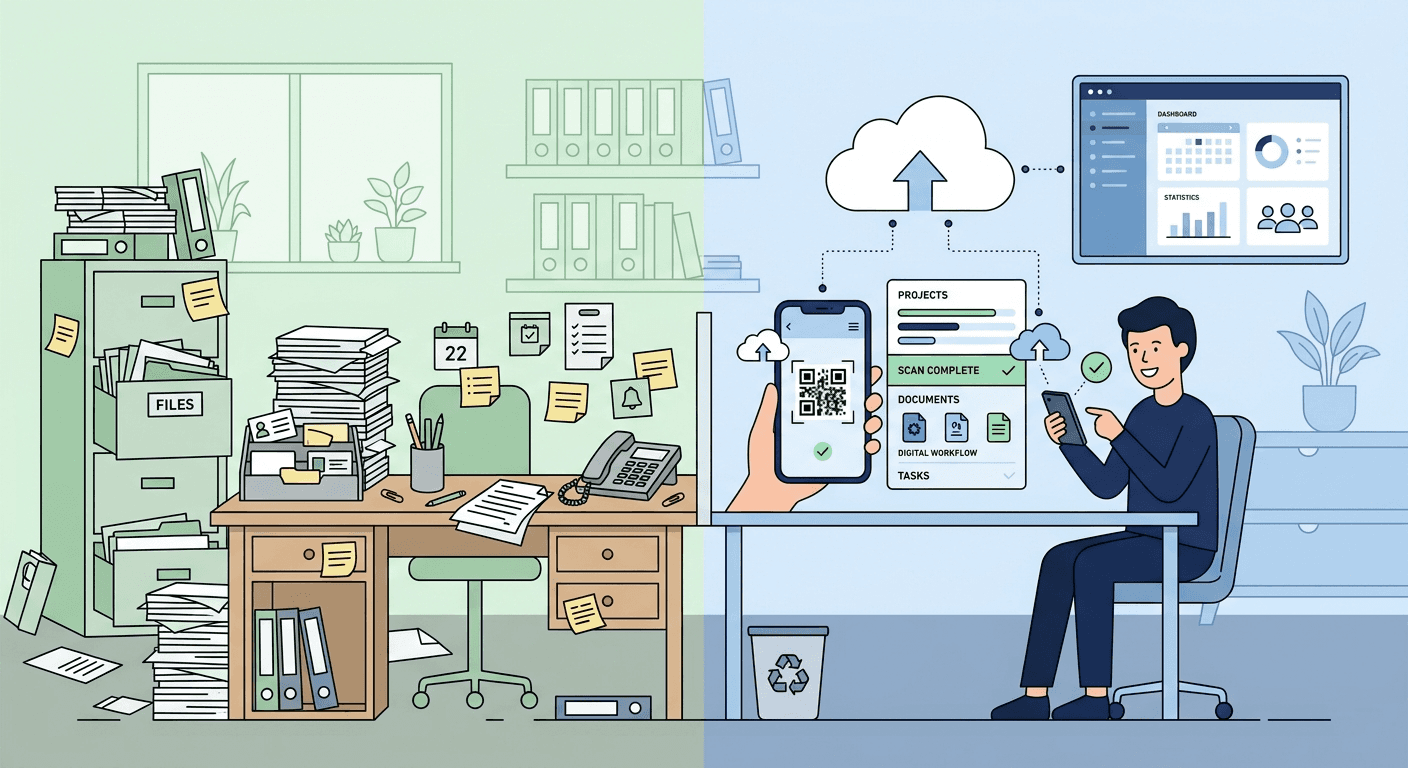
ractical ways to reduce paper waste at work and events. Replace forms, brochures, and notes with faster digital workflows and improve follow-up speed.
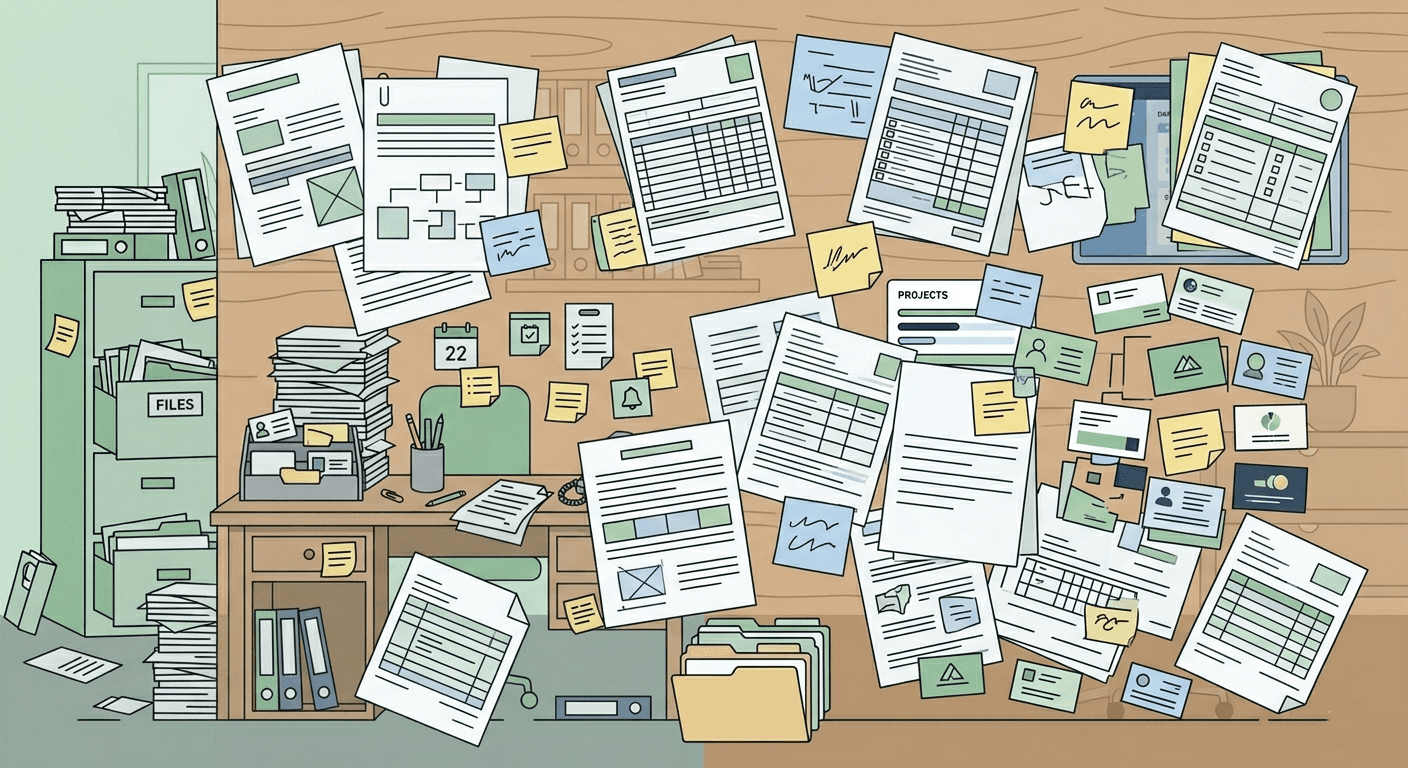
Even in digitally enabled environments, paper continues to persist because it feels simple in the moment. Writing something down, handing over a brochure, or collecting a business card seems fast, but these actions create extra work later. Data has to be re-entered, notes need to be interpreted, and contacts often lack the context required for meaningful follow-up.
This creates a gap between capture and action. By the time information is organized and usable, the momentum from the original interaction is already lost. This is why many teams are shifting toward paperless office tips and sustainable office practices that focus on digital-first workflows.
Practical Ways to Reduce Paper Waste at Work
One of the most effective ways to reduce paper waste in the workplace is to replace printed forms with digital capture methods. Instead of collecting information on paper, teams can use tools like a business card scanner to capture data instantly. This removes the need for manual entry and ensures that information is immediately usable.
Printed brochures are another major source of waste, especially at events. Replacing them with QR codes linked to digital content allows people to access the same information without carrying physical materials. This is one of the most practical ways to reduce paper waste at events while improving accessibility.
Business cards are often collected but rarely used effectively. Digitizing them turns static information into a searchable and organized contact system. This eliminates the need for physical storage and reduces the chances of losing valuable connections.
Paper notes and sticky reminders also create inefficiencies. They are easy to forget, difficult to track, and disconnected from the actual work being done. Replacing them with digital reminders ensures that follow-ups are scheduled, visible, and tied directly to the relevant contact or task.
Another important shift is moving away from printed lists and reports. Sharing and storing data digitally allows teams to collaborate more effectively while avoiding unnecessary duplication. This is one of the simplest ways to reduce printing at work without changing core processes.
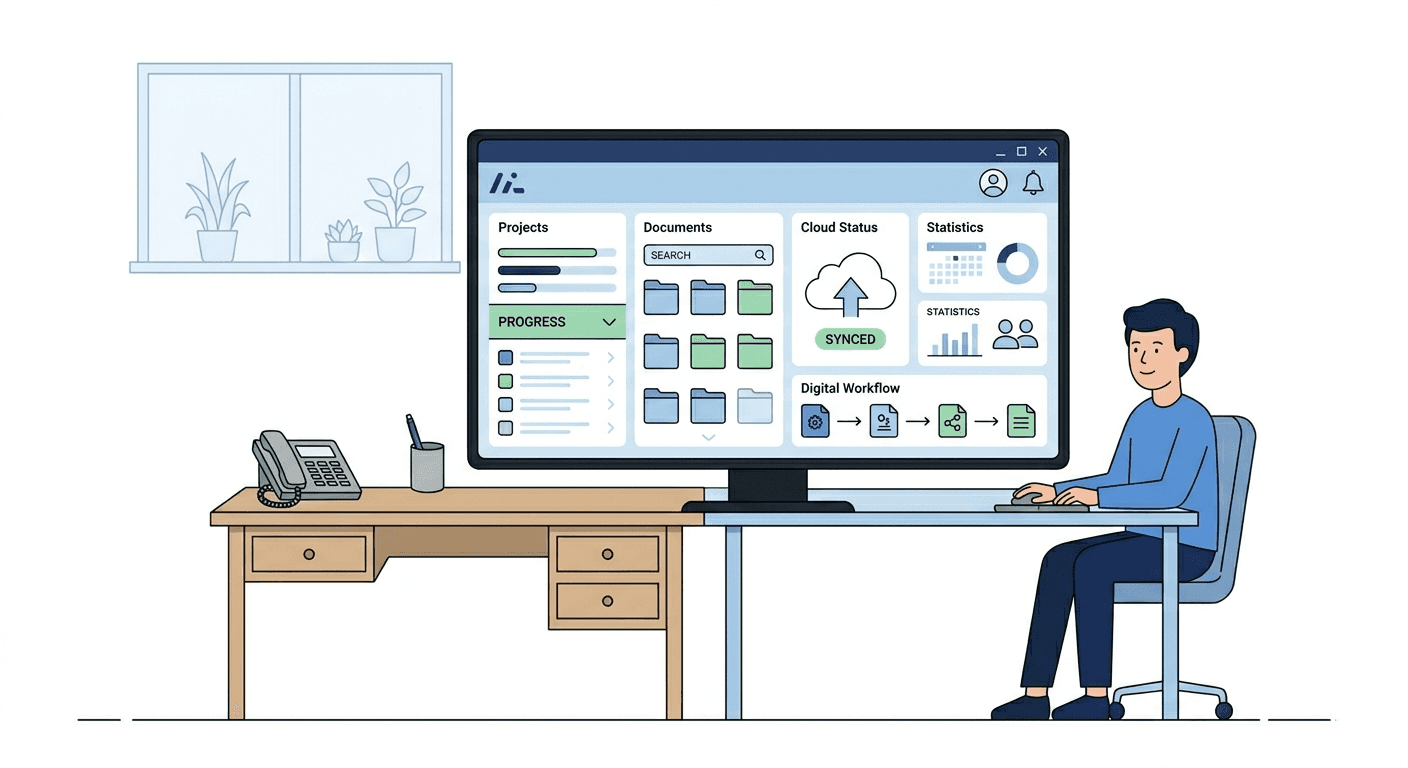
The places where paper persists most stubbornly are also the places where switching feels hardest: the event floor, the client meeting, the field visit. Habsy is built specifically for these moments, replacing the paper-heavy parts of contact capture and follow-up without adding steps to how your team already works.
Business cards become structured contacts on the spot: Scan a card and the contact is parsed, structured, and stored immediately. No pile to deal with later, no manual re-entry, no information lost because handwriting was unclear. Cards in non-English languages including Arabic, Japanese, Korean, and Chinese are scanned and translated into your working language automatically.
QR badges and NFC replace printed lead forms: At trade shows and conferences, scan event QR badges or tap NFC-enabled badges directly into Habsy. The contact lands in a structured record instantly, with no paper form, no clipboard, and no post-event data entry session required.
Your digital business card replaces printed ones: Share your Professional or Business QR profile via a QR code, an NFC tap, or a shareable link. Visitors can save your details and submit their own through an enquiry form, captured directly into your contact list. No printing costs, no reprinting when details change.
Brochures and resources go digital through your QR page: Upload catalogs, product sheets, and presentations to your Habsy QR page. Visitors scan once and download what they need. No printing, no carrying, no materials left on a table at the end of the day.
Voice notes replace handwritten scribbles: Instead of writing notes on the back of a card or a notepad, speak a 10-second voice note after the conversation. It is transcribed, attached to the contact, and searchable by keyword inside the app. The context is preserved without any paper involved.
Reminders replace sticky notes and follow-up lists: Set a follow-up reminder at the point of scan. It appears in your task view and syncs to Google Calendar. No sticky notes, no separate to-do list, no contacts that fall through because the reminder was written somewhere it would not be seen.
The result is a workflow where every interaction from capture to follow-up runs without paper, and without adding friction to the way your team already operates.
The goal is not to eliminate paper completely but to reduce dependency on it where it creates friction. A paper-light workflow focuses on capturing information digitally, organizing it immediately, and enabling action without delay. This approach is especially effective in environments like events and field sales, where speed and accuracy matter most.
By standardizing how information is captured and ensuring that it remains structured from the start, teams can avoid the need for rework later. This not only reduces waste but also improves the overall quality of follow-ups and outcomes. If you are evaluating modern alternatives, understanding whether digital business cards are worth it can help you decide the right approach.
Trying to go fully paperless too quickly often leads to poor adoption. Teams revert to paper when digital tools feel complicated or slow. The better approach is to start with high-impact areas such as lead capture and follow-ups, where the benefits are immediate and visible.
Another common mistake is introducing tools that do not align with existing workflows. If the process feels unfamiliar or time-consuming, it will not be used consistently. The focus should always be on simplicity and speed.
Finally, sustainability should not be treated as a separate initiative. The most effective changes are those that improve productivity while reducing waste at the same time.
Reducing paper waste is ultimately about removing friction from how information flows through your work. When capture, organization, and follow-up are handled digitally from the start, teams can move faster, stay organized, and avoid unnecessary duplication.
Small changes such as replacing forms, digitizing contacts, and using reminders instead of notes can have a significant impact over time. The result is a system that is not only more sustainable, but also more efficient, reliable, and easier to scale.
How can businesses reduce paper waste effectively?
Businesses can reduce paper waste by replacing printed forms with digital capture tools, using QR codes instead of brochures, digitizing business cards, and switching to digital reminders. The key is to focus on workflows where paper slows down execution.
What are simple paperless office tips to start with?
Start by reducing printing, using digital documents instead of physical copies, replacing sticky notes with reminders, and storing contacts digitally. These small steps create immediate impact without disrupting existing processes.
How do you reduce paper waste at events?
The most effective way to reduce paper waste at events is to use digital lead capture instead of paper forms, replace brochures with QR codes, and digitize business cards. This reduces waste while improving follow-up speed.
Are paperless workflows practical for small teams?
Yes. Paperless or paper-light workflows are often easier for small teams because they reduce manual work, eliminate duplication, and make information easier to manage and share.
What is a paper-light workflow?
A paper-light workflow reduces dependency on paper without removing it entirely. It focuses on capturing, organizing, and acting on information digitally to improve speed, accuracy, and sustainability.