Blog
You walk off the show floor with 200 scanned badges, a stack of notes, and a red-eye flight home. By Monday morning your inbox is full, your team is scattered, and the leads you worked so hard to capture are already going cold. This is the moment most exhibitors lose the ROI they invested in their trade show follow-up.
The numbers are sobering. Research from trade show analytics firms shows that roughly 80% of trade show follow-up never happens at all. And the window is narrow: data consistently shows that 50% of buyers choose the vendor that responds first with relevant information after an event. Getting back first is not enough on its own, but getting back last is a guarantee you will lose.
The problem is not effort. Most sales teams want to execute strong trade show follow-up. The problem is the absence of a system for deciding who gets a call today, who gets an email this week, and who enters a nurture sequence. Without a structured trade show follow-up system, teams either blast everyone with the same generic email or freeze up entirely, unsure where to start.
This guide gives you that system. It is a practical, step-by-step trade show follow-up prioritization framework that any sales team can apply immediately, whether you walked away from a regional event with 30 leads or a national trade show with 300.
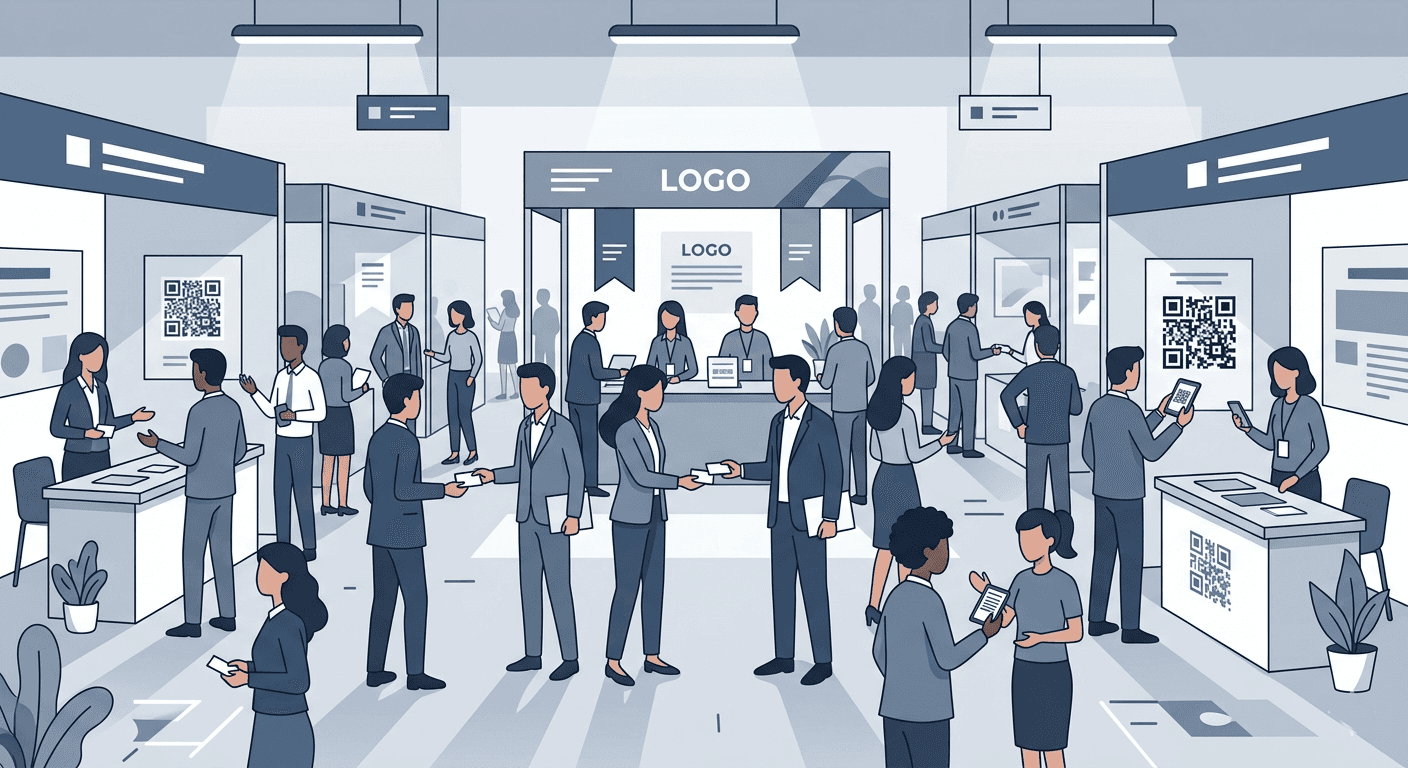
Learn how to prioritize trade show leads using a hot/warm/cold framework. Stop losing deals and start follow-up with the contacts that matter most.
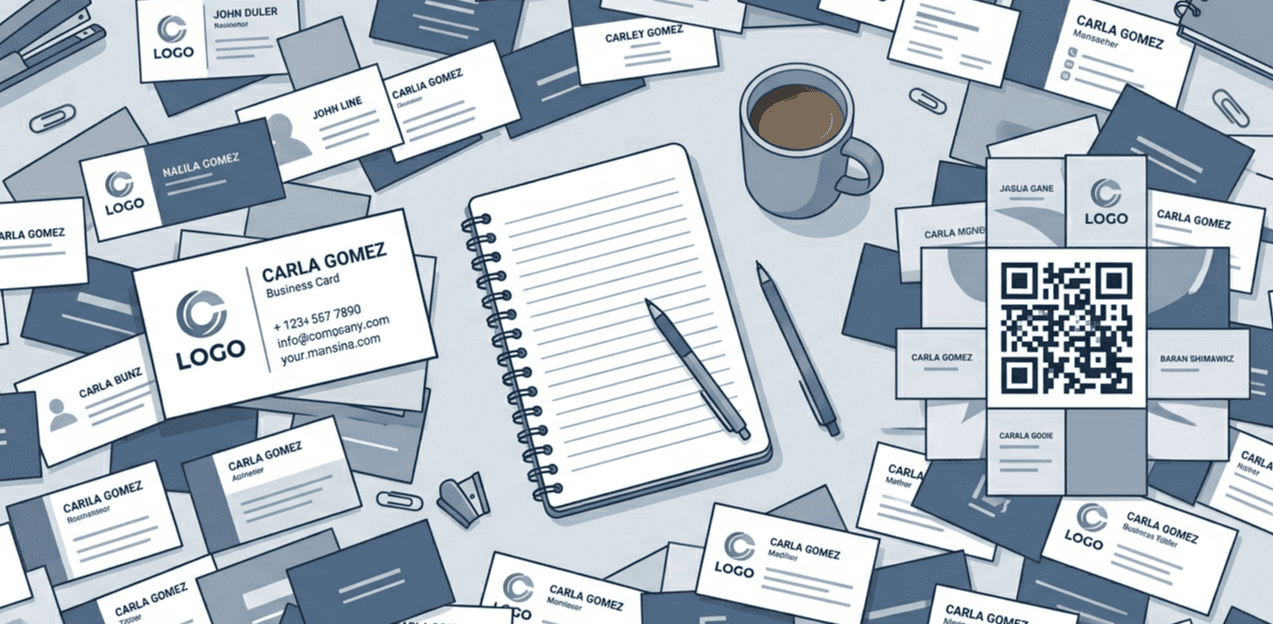
The 24-hour trade show follow-up rule gets repeated constantly in sales circles. And while responding quickly does matter, treating speed as the only variable leads to the most common post-show mistake: sending the same rushed, generic message to every contact you met.
Consider the reality of what you actually collected at a trade show. Research on exhibitor and attendee behavior shows that only 5 to 15 percent of trade show contacts are ready for a sales conversation at the time of the event. The rest are gathering information, comparing options, or attending because their company sent them. Treating all of them as hot prospects wastes your team's time and weakens the quality of your trade show follow-up.
The smarter approach applies the 80/20 principle: roughly 80% of your near-term revenue will come from 20% of the leads you collected. Your job in the 24 hours after the show is not to contact everyone. It is to identify that 20% and get to them before your competitors do, while moving the rest into appropriate sequences that keep them warm without burning your team's capacity.
Speed matters for hot leads. Thoughtfulness matters for warm leads. Patience matters for cold leads. A trade show follow-up prioritization framework is how you give each tier what it actually needs.
Step 1: Sort Before You Leave the Floor
The most important step in your trade show follow-up process happens before you leave the event. On-floor context, conversation memory, and intent signals are at their peak the moment a booth interaction ends. They deteriorate fast.
Assign every lead in your trade show follow-up queue to one of three tiers immediately after each conversation, or at the end of each show day at the latest.
The Three-Tier Lead System
Tier | Definition | Criteria | Target Response Time |
|---|---|---|---|
Hot | Ready for a direct sales conversation | Asked about pricing, requested a demo, named a timeline under 90 days, is a decision-maker or economic buyer | 24 to 48 hours |
Warm | Interested but not yet ready to buy | Engaged with your product, asked thoughtful questions, expressed a relevant pain point, no clear timeline yet | 5 to 7 days |
Cold | Early-stage, exploratory, or unclear fit | Scanned badge at the booth, took materials passively, attendee on behalf of company with no buying authority | Nurture sequence, 2 to 4 weeks |
A simple scoring system helps your team make these trade show follow-up prioritization calls consistently. Assign points in four categories and total them before leaving the floor:
Signal | Points | Notes |
|---|---|---|
Decision-making authority (VP, Director, Owner) | 3 | Ask: Can they approve a purchase without going up the chain? |
Expressed buying timeline under 6 months | 3 | They mentioned a project, deadline, or budget cycle |
Clear budget or business pain identified | 2 | Pain was specific and tied to a real cost or problem |
Strong product fit confirmed | 2 | Your product directly addresses what they described |
Score 7 to 10: Hot tier. Begin trade show follow-up within 24 to 48 hours with direct outreach from the rep who had the conversation.
Score 4 to 6: Warm tier. Enter a sequenced, personalized trade show follow-up within 5 to 7 days.
Score 0 to 3: Cold tier. Route to a long-term nurture campaign.
The key to making this work is capturing it in real time. Voice notes, conversation tags, and contact annotations recorded right after each interaction are worth far more than a stack of business cards you try to reconstruct on the flight home. Use your lead capture tool to attach notes to each contact the moment the conversation ends, so your trade show follow-up emails are ready to personalize before you board the plane.
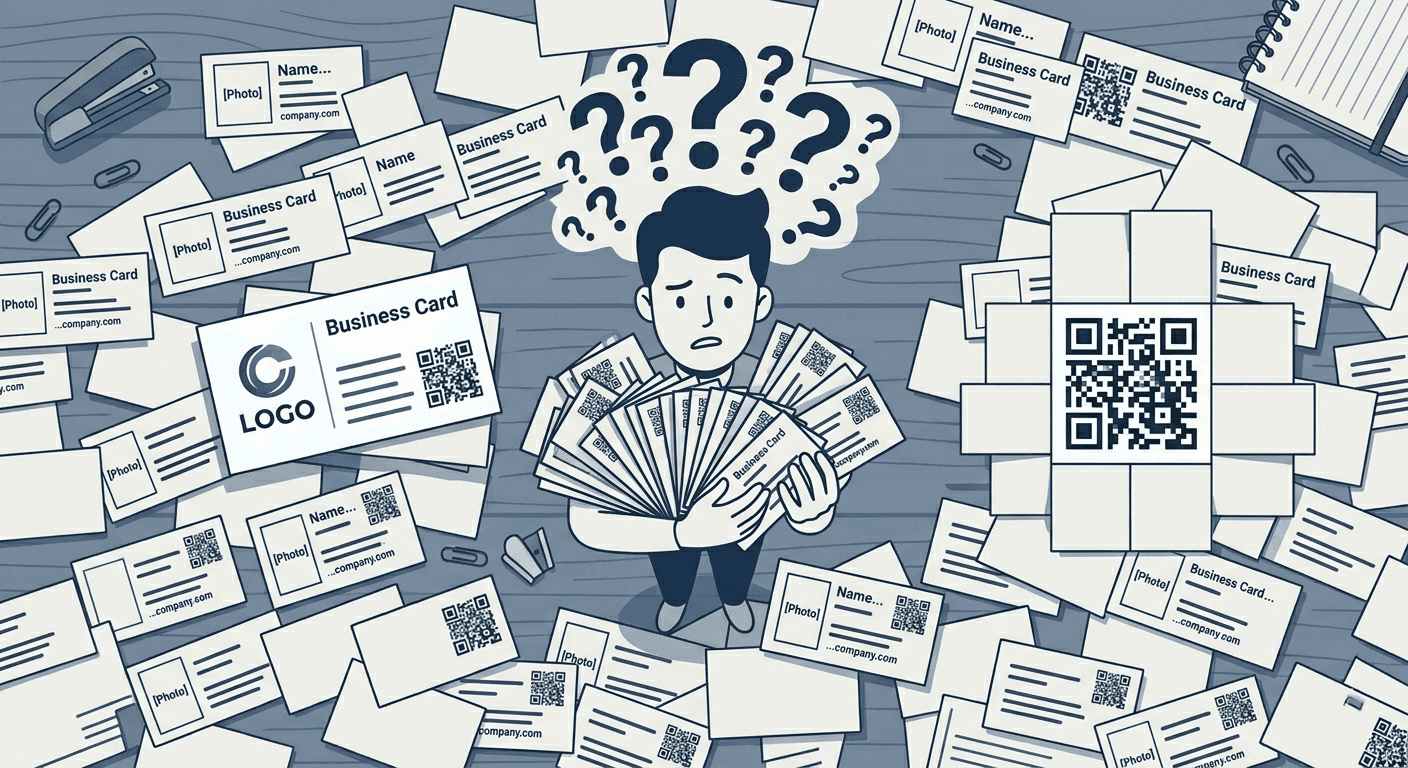
For your hot-tier trade show follow-up contacts, timing is a competitive differentiator. Studies tracking post-show buyer behavior consistently show that the vendor who responds first with relevant information wins approximately half of contested deals. This is not about sending the fastest email. It is about being the first to demonstrate that you listened.
Your first trade show follow-up outreach to a hot lead should do three things:
Reference a specific detail from your booth conversation, not a generic show name
Offer something of immediate value, such as the resource you promised, a relevant case study, or a direct proposal if one was requested
Make the next step effortless, with a specific call to action like a scheduling link or a direct question
What it should never do is open with 'It was great meeting you at the show!' and then pivot immediately to a pitch. Your hot leads spoke to 10 to 20 exhibitors. If your trade show follow-up email sounds like the other 19, it will be treated like them.
Assign hot leads to the specific rep who had the in-person conversation. The relationship capital built on the show floor is an asset. Routing a hot lead to a different rep who has no context burns that asset immediately.
Once your leads are sorted, the next task is mapping a specific outreach sequence to each tier. A well-structured trade show follow-up cadence prevents two failure modes that kill the post-show pipeline: giving up too early, and following up so aggressively that you create negative impressions.
Research on sales follow-up persistence shows that 80% of sales require at least five follow-up attempts, yet 44% of salespeople give up after just one. The trade show follow-up cadence below is designed to keep leads moving without exhausting your team or annoying your contacts.
Hot Lead Cadence
Day 1 to 2: Personalized email or call from the rep who met them. Reference the specific conversation. Include any promised materials.
Day 4 to 5: Second touch if no response. Brief, adds new value such as a relevant article or short video relevant to their pain point.
Day 8 to 10: Third touch. Offer a specific meeting slot. Keep it to two sentences.
Day 14: Final short-term touch. Acknowledge they may be busy. Leave the door open.
If still no response: Move to warm sequence. Do not abandon. Revisit in 30 days.
Warm Lead Cadence
Day 5 to 7: First email. Reference the event and your conversation. Lead with a useful resource, not a pitch.
Day 12 to 14: Second touch. Share a case study or short insight relevant to the pain point they described.
Day 21 to 28: Third touch. Ask a direct question about where their project stands.
Ongoing: Monthly check-in with relevant content until they re-engage or opt out.
Cold Lead Cadence
Week 2 to 4: Welcome them to your newsletter or resource list. No direct sales outreach yet.
Month 2: One piece of educational content relevant to their industry or role.
Month 3 onward: Quarterly touchpoint. Re-score them if they engage with content.
The goal of a tiered trade show follow-up cadence is to match the intensity of your outreach to the demonstrated readiness of each lead. Forcing a cold lead through a hot sequence wastes resources and creates a negative brand impression. Putting a hot lead in a cold sequence loses deals to faster competitors.
Personalization is the single most cited factor in trade show follow-up response rate improvement, but most teams treat it as a manual, time-intensive task reserved for their most important leads. The result is that warm and cold leads get generic outreach, which performs poorly enough that teams conclude trade show follow-up does not work.
The solution is to make personalization a capture habit on the floor, not a writing task after the show. Every contact you log should include:
The specific topic or pain point they brought up
A product feature or use case that connected with them
Any personal detail that humanizes the relationship, such as an upcoming project, a team challenge they mentioned, or a conference session they attended
The exact next step discussed, even if it was informal
When these notes are attached to each contact record at the time of capture, your trade show follow-up emails almost write themselves. A rep can open a contact record, read three lines of notes, and craft a genuinely personalized two-paragraph email in under three minutes. Without those notes, the same rep spends ten minutes trying to remember who this person was and defaults to a generic template.
Voice notes recorded immediately after a conversation are one of the most efficient ways to capture this context before it fades. A 30-second voice memo can preserve nuances that a text field never captures. Tools that allow you to attach voice notes directly to a scanned contact record give your team a significant advantage in the trade show follow-up quality race.
One of the most damaging post-show habits is batching the CRM import. Teams that delay their trade show follow-up by waiting until they are back in the office lose the critical window during which memory is sharpest, leads are warmest, and competitors are already reaching out.
The standard trade show follow-up behavior tells the story clearly: approximately 40% of exhibitors wait 3 to 5 days after a trade show to begin follow-up with their leads. Given that the optimal trade show follow-up window closes within 24 to 48 hours for hot leads, this delay is not just a timing issue. It is a direct cause of lost deals.
The practical fix for your trade show follow-up workflow is a same-day import rule. Every contact captured during the show should sync to your CRM before you leave the venue floor, not the day after, and not on the plane home. Tools that offer offline functionality and automatic CRM sync make this operationally straightforward, even in convention center environments with unreliable connectivity.
Once leads are in your CRM, apply your tier tags and enrichment immediately. Knowing a contact's title, company size, LinkedIn profile, and industry context before your first trade show follow-up outreach transforms the quality of your messaging. Real-time enrichment tools that automatically append this data to each contact record as it is captured save hours of manual research and eliminate the cold-contact problem entirely.
Building this capability into your trade show follow-up workflow is exactly what event lead capture tools are designed to solve. The right platform captures badge scans, business cards, and conversation notes, syncs them to your CRM, and makes every contact follow-up-ready before you walk off the floor.
The most consistent failure point in trade show follow-up is not a skills problem or a technology problem. It is a coordination problem. Marketing sends a nurture email the same day sales makes a call, and the lead receives two conflicting messages from the same company within hours. This signals disorganization to a contact who is still evaluating whether to trust you.
Before the show closes, your sales and marketing leads should agree on:
Which tier of leads receives direct sales outreach versus marketing-led sequences
The exact timing and channel split for the first two weeks post-show
Who owns each lead in the CRM and who is accountable for moving it forward
The shared definition of what constitutes a conversion from this event
A brief debrief on the last day of the event, even a 20-minute conversation between the booth manager and the marketing lead, prevents the coordination failures that undermine otherwise strong trade show follow-up efforts.
The Five Mistakes That Bury Post-Show Pipeline
Mistake | Why It Costs You | The Fix |
|---|---|---|
Sending the same trade show follow-up email to every lead | Generic outreach signals you do not remember the conversation. Response rates collapse. | Use on-floor notes to personalize the first sentence of every outreach. |
Waiting 3 to 5 days to start follow-up | The optimal window closes within 24 to 48 hours for hot leads. Competitors fill the gap. | Apply same-day CRM import and hot-lead outreach as a non-negotiable rule. |
Giving up after one or two attempts | 80% of sales require 5 or more touchpoints. Most teams stop at one or two. | Build a tiered trade show follow-up cadence into your CRM so it happens automatically. |
Treating every lead as a hot lead | Aggressive outreach to cold contacts creates negative brand impressions and wastes sales time. | Use the 4-signal scoring framework to separate hot from warm from cold before outreach begins. |
Importing leads into CRM after the show | Memory fades, context is lost, and batched data has no tier tagging. | Make real-time capture and same-day sync a standard operating procedure for every event. |
Tools That Make This Framework Operational
The trade show follow-up framework above is logistically manageable with the right stack. You do not need a complex multi-platform setup. The minimum viable toolset for executing trade show follow-up at scale covers four functions:
Function | What You Need | Why It Matters |
|---|---|---|
Lead capture | A mobile app with badge scanning, business card OCR, and offline capability | Captures contact data in real time without relying on venue connectivity |
Conversation tagging | Voice notes or custom tag fields attached to each contact at capture | Preserves the context that makes personalized trade show follow-up possible |
CRM sync | Direct integration with HubSpot, Salesforce, or Zoho with field mapping for tier and notes | Eliminates the manual import bottleneck that delays follow-up |
Follow-up reminders | Automated task triggers or reminder sequences tied to tier and capture date | Ensures no hot lead falls through the cracks when you return to a full inbox |
Setting up follow-up reminders that trigger automatically based on lead tier means your team never has to remember to follow up. The system drives your trade show follow-up for them, so their energy goes into the quality of the outreach, not the logistics of tracking who is due for a touch.
The Numbers Behind the Framework
If the case for a structured trade show follow-up system is not yet clear, these data points from recent industry research should close the argument:
80% of trade show follow-up never happens at all, leaving the majority of event-generated pipeline entirely untouched.
50% of buyers choose the vendor that responds first with relevant information. Being second in your trade show follow-up often means being eliminated.
40% of exhibitors wait 3 to 5 days before beginning trade show follow-up with their leads, well outside the window where buyer interest and memory are strongest.
Following up within 7 to 10 days converts 20 to 30% of leads into pipeline opportunities.
Only 5 to 15% of trade show contacts are ready for a sales conversation at the time of the event. The rest need a nurture path, not a pitch.
81% of trade show attendees have buying authority. The people you are meeting are qualified. The trade show follow-up system is the differentiator.
Final Thoughts
Trade show attendance is a significant investment. The cost of a single 10x10 booth, including travel, materials, and staff time, can easily exceed fifteen thousand dollars per event. Most of that investment is decided not on the show floor, but in the trade show follow-up week that follows.
A trade show follow-up prioritization framework does not require new technology or a larger team. It requires a decision made before you leave the event: hot leads get a personalized call or email within 24 to 48 hours, warm leads get a sequenced, value-led outreach within a week, and cold leads enter a patient nurture track that keeps your brand visible until they are ready to buy.
The teams that execute this trade show follow-up system consistently do not just see better conversion rates from individual events. They build a repeatable engine that compounds across every show they attend, creating a post-show process that turns event spending into predictable pipeline.
FAQs:
1. How soon should I follow up after a trade show?
Follow up within 24 to 48 hours for high-intent leads. This is when recall is strongest and competitors are also reaching out. Warm leads can be contacted within 5 to 7 days, while cold leads should enter a longer nurture cycle. The key is timing based on intent, not sending everything at once.
2. Why does trade show follow-up fail so often?
The biggest reason is lack of context. Teams capture contact details but not conversation insights, making follow-up generic. Without notes, tags, or qualifiers, every lead looks the same, and outreach becomes ineffective.
3. What should I capture during an event for better follow-up?
Capture three things consistently: interest level, product or service discussed, and next step. Adding a quick voice note or tag at the moment of conversation preserves context and makes follow-up faster and more personalized.
4. How do I prioritize leads after an event?
Use a simple hot, warm, cold framework. Hot leads have clear intent and timelines, warm leads show interest without urgency, and cold leads are exploratory. Prioritization ensures your team focuses on the highest-value opportunities first.
5. What is the ideal follow-up message after networking?
A strong follow-up message references a specific conversation detail, offers something relevant, and includes one clear next step. Generic messages reduce response rates significantly.
6. How many follow-ups does it take to convert a lead?
Most sales require 5 to 8 follow-ups. However, the first two touches are the most important. Early, personalized outreach significantly improves conversion chances.
7. How can I manage hundreds of leads after a trade show?
Segment leads into tiers and use structured sequences. Hot leads get immediate outreach, warm leads get scheduled follow-ups, and cold leads receive long-term nurturing. This prevents overwhelm and improves efficiency.
8. Why is capturing context more important than capturing contacts?
Contact details alone do not drive conversions. Context like pain points, intent, and conversation details is what enables personalized outreach, which directly impacts response rates and deal outcomes.
9. Can I manage trade show leads without a CRM?
Yes, you can start with structured lists or spreadsheets. However, your data must be clean, tagged, and organized. Export-ready formats help transition into a CRM later without losing data quality.
10. What is the best way to avoid losing leads after events?
Capture and organize leads in real time. Add context, set reminders, and ensure everything is ready for follow-up before leaving the event. Delayed processing leads to missed opportunities.