Blog
You left the event with thirty-plus conversations. A stack of cards, a few badge scans, maybe some names saved in your phone. You told yourself you'd follow up on Monday.
It's Thursday. You haven't sent a single message.
Most articles about post-event follow-up will tell you to send a personalised email within 24 hours. They'll give you networking follow-up templates. They'll remind you about the importance of timing.
What they won't tell you is why the follow-up didn't happen in the first place. And until that changes, the templates won't help.
TL;DR
|
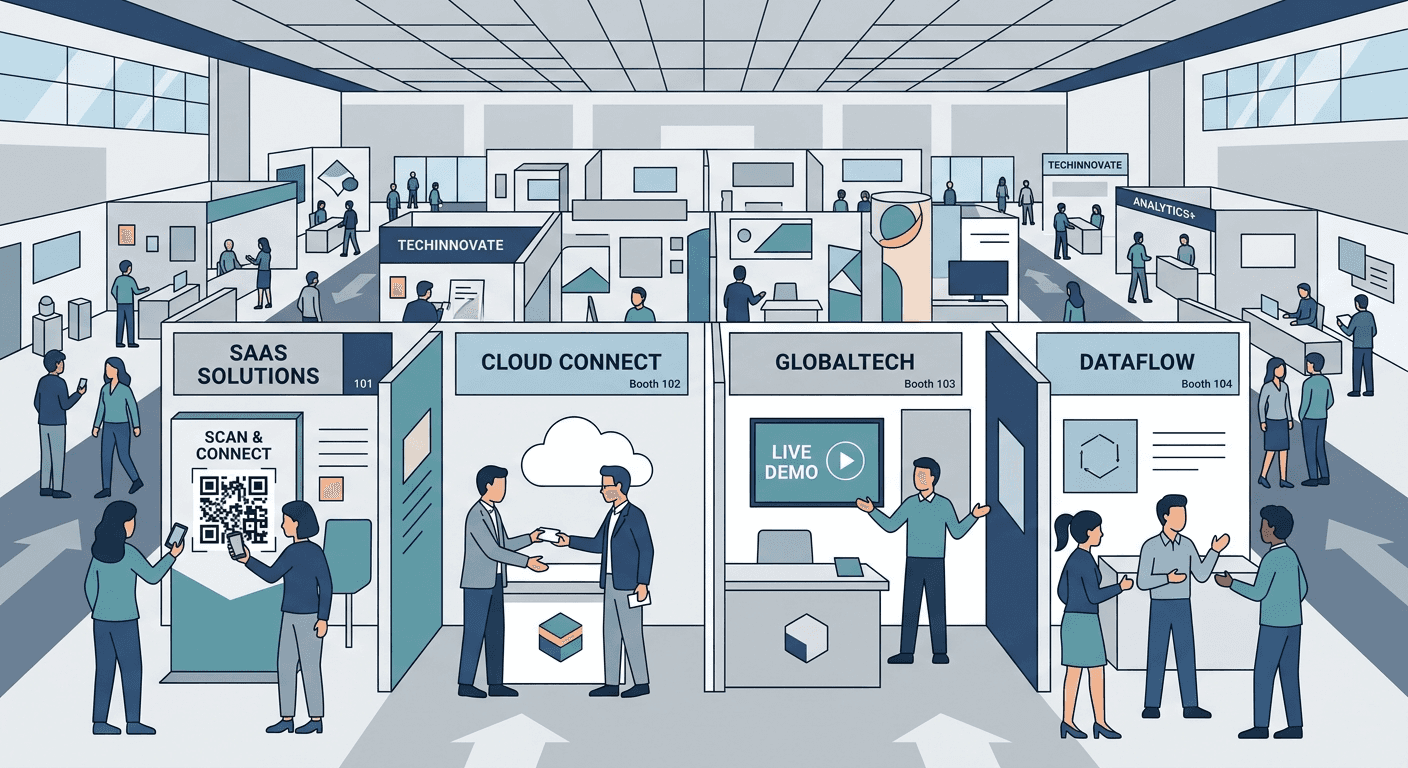
Post-event follow-up failure isn't a motivation problem. It's an infrastructure problem. Here's why it happens and how to fix it before your next event.
Here's what actually happens at most events. You meet someone interesting. You exchange cards or badge scans. You have a brief, promising conversation. Then someone else arrives, the moment passes, and you move on.
By the time you're back at your desk, you have a list of names with no context attached. You remember that someone wanted pricing information, but you can't remember which one. You recall a conversation about a specific product line, but the name that goes with it is gone.
This is not laziness. This is what happens when the capture layer fails. When the moment of contact produces raw data with no context, no next step, and no trigger, the follow-up has already been lost before you've had a chance to write it.
Research suggests that response rates drop significantly when follow-up happens after 72 hours compared to within 24 hours. Most reps wait longer than that just to process the list. |
The problem compounds quickly. Studies consistently show that the majority of sales close between the fifth and twelfth touchpoint, yet most salespeople give up after one attempt. That drop-off is not about willpower. It is about a system that never makes the next step obvious.
The Three Steps of the Follow-Up Infrastructure Problem
Step 1: No context at capture
A name and a company is not a lead. It's a starting point for research you won't have time to do. What made this person worth following up with? What did they say they needed? What did you promise to send?
If that information isn't captured at the moment of conversation, it is effectively lost. Memory fades fast in a noisy event environment. By the morning after, most of that nuance is gone.
Step 2: No trigger for the first touch
Knowing you should follow up is not the same as having something that makes you do it. Without a visible, specific next step attached to a specific contact, follow-up lives on a vague mental to-do list that gets pushed every time something urgent arrives.
The 'I'll do it later' gap is not a character flaw. It is what happens when there's no friction-free mechanism to set a next step at the moment the intent is strongest, which is the moment of capture.
Step 3: Dirty data that buries actionable leads
Even when a rep does attempt to follow up, duplicate contacts, missing email addresses, and inconsistent field naming slow everything down. Without a system that catches these problems at the point of scan, lists riddled with gaps and overlaps sit unactioned for days, and momentum dies at the exact moment it should be building.
Cleaning data is not follow-up. It is the work that replaces follow-up when the capture layer has already failed.
The first 24 hours after meeting someone at an event are when the follow-up has the highest chance of getting a response. The contact remembers you, the conversation is recent, and your message has context on both sides. Teams that follow up within 24 hours consistently outperform those who wait.
After 72 hours, that window narrows significantly. After a week, most contacts have moved on entirely. The Harvard Business Review has documented that companies contacting leads within the first hour are significantly more likely to qualify them than those who wait 24 hours or more.
The implication is not that you need to move faster. It is that the post-event follow-up problem is fundamentally a systems problem, and the system needs to make moving fast the default, not the exception.
Fixing post-event follow-up does not start with better email templates. It starts with fixing what happens in the moment of contact.
Capture context at the point of conversation
A ten-second voice note recorded immediately after a scan captures everything that matters: what the person was interested in, what you offered to send, which product line came up, what the right timing looks like. That note is still accurate the next morning. Your memory is not.
This is what capturing context in the moment looks like in practice. Not a typed summary written hours later, but a brief audio record made while the conversation is still fresh. When an SDR opens that contact the next day and plays the note, the follow-up writes itself.
Set the next step before you move on
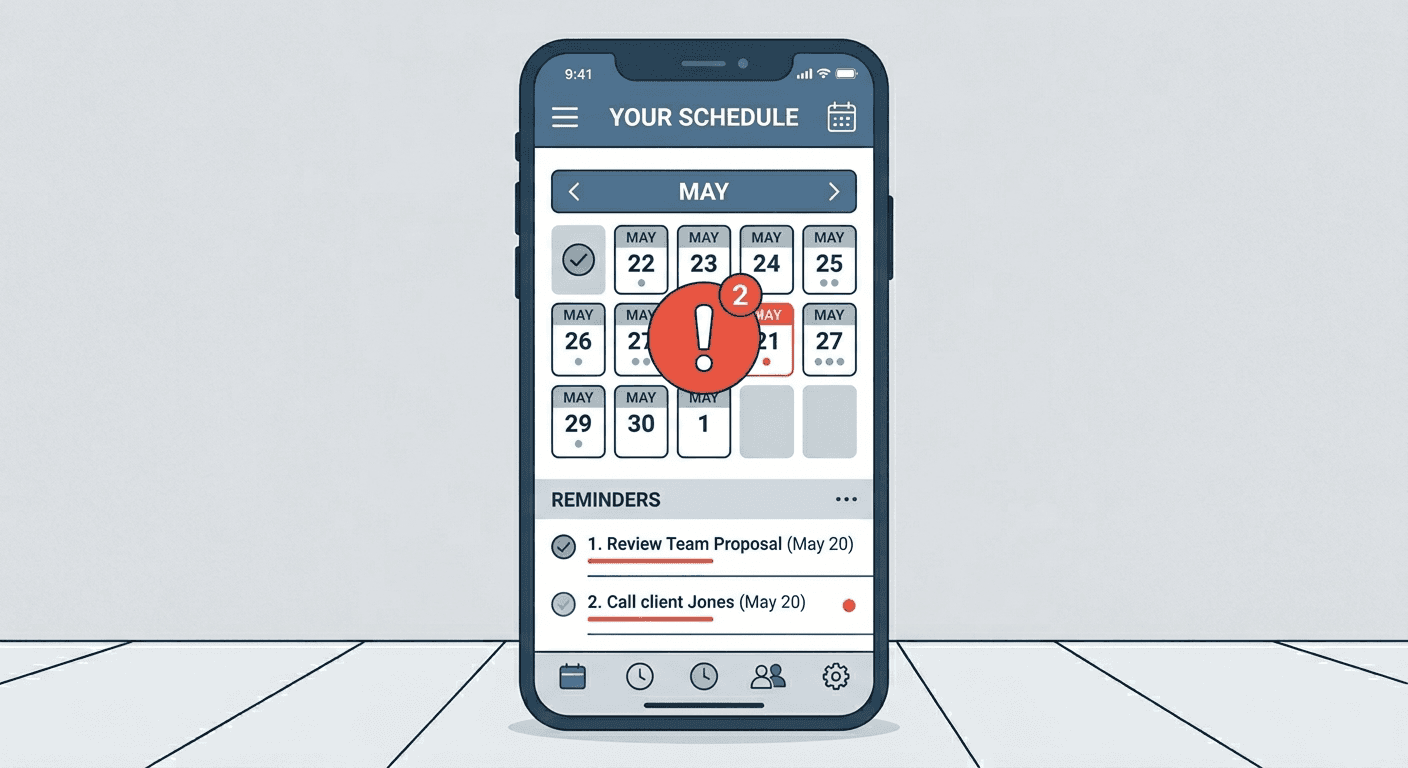
A one-tap follow-up reminder, set at the moment of capture, is the single most effective thing you can do to close the 'I'll do it later' gap. Not a reminder to review your list. A reminder attached to a specific contact, with a specific time, that shows up in a queue you actually work from.
The difference between 'I'll follow up tomorrow' and 'Tomorrow 10:00 - Priya from Chennai, wants Pro pricing' is the difference between an intention and a commitment.
Clean your list before you start working it
The app detects duplicates the moment a card is scanned, before the contact even lands in your list. Required fields enforce completeness at capture, so every lead that comes in is already clean and ready for action. No cleanup pass needed.
The goal is to arrive at Day 1 with a list of leads that are already clean, qualified, and actionable inside the platform, because the hard work happened at the moment of scan.
Here is the workflow that makes post-event follow-up reliable:
Scan the QR badge or business card at the stall.
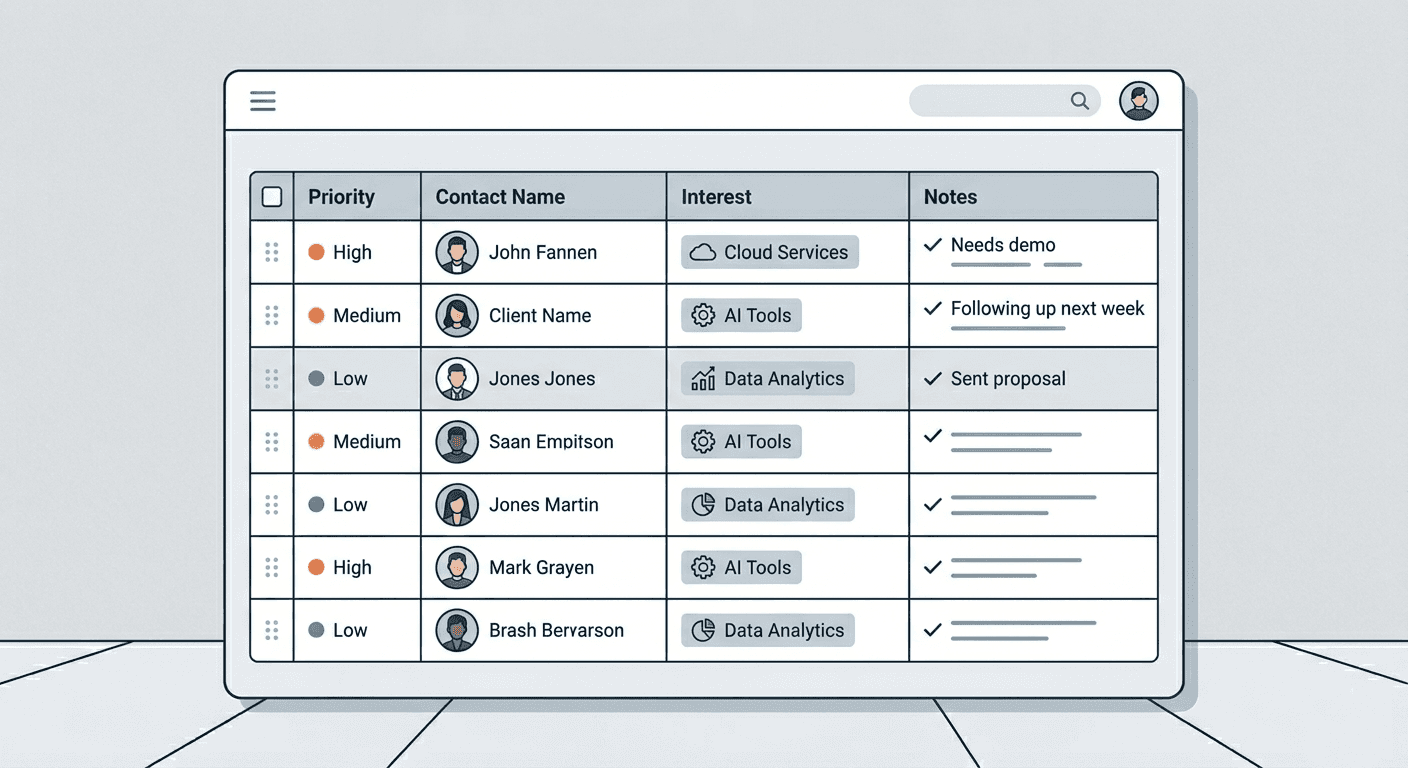
Fill the two or three fields that change the follow-up: interest level, product line, priority.
Drop a ten-second voice note with the specific context from the conversation.
Set a one-tap reminder for tomorrow morning.
Every card scanned is checked for duplicates on the spot, so your list stays clean as you go.
Open the app and work your leads directly. Every scanned card is an actionable contact from the moment it is captured.
SDRs open the queue sorted by Hot leads and work from the voice notes.
This is not a new discipline. It is what the discipline looks like when the infrastructure supports it.
The post-event follow-up problem is not a motivation problem. It is an infrastructure problem. Fix the capture layer and the follow-up takes care of itself. |
When people say they're bad at following up after events, they are usually describing the experience of having a broken system and blaming themselves for the results. The cards pile up. The context disappears. Leads sit unactioned because nothing made them easy to work.
The fix is not a better template or a stronger reminder to yourself to be more disciplined. It is a system that captures context in the moment, sets a trigger at the point of highest intent, and delivers a clean, actionable list by the morning after.
When that system is in place, following up is not hard. It is the obvious next thing on a list of contacts you actually know something about.
1. How long after an event should I follow up?
Within 24 hours where possible, and no later than 72 hours. Response rates drop significantly after that window. The practical implication is that your follow-up process should be ready to go before the event ends, not after you've landed home and cleared your inbox.
2. What should a post-event follow-up message include?
A reference to something specific from your conversation. This is why context capture matters more than message templates. In follow-up after networking events, a personalized message built from a voice note or a tagged qualifier will always outperform a generic email. In India, a well-timed WhatsApp message lands better still.
3. What is the biggest reason follow-up fails after trade shows?
Context collapse. When dozens of conversations produce contacts with no notes and no qualifiers attached, every trade show follow-up starts from scratch. The rep can't remember who said what, so the message is generic, and the response rate reflects that.
4. How do I build a post-event follow-up system?
Start at the capture layer. Define a short schema for what you'll capture at every conversation: interest level, product line, priority. Add a voice note and set a reminder before you move on. The app flags duplicates at the point of scan, so your list is already clean when you're ready to work it.
Ready to make your next event's follow-up actually happen?
Habsy captures every conversation with context at the point of contact. Scanned cards become actionable leads right away, with voice notes, one-tap reminders, and saved searches to work them by priority. See how it works in two minutes.