Blog
For years, traditional business cards were used without much thought. A visiting card was simply part of every meeting and introduction.
What changed wasn’t a belief in networking, but what happened after those exchanges. Too many cards never turned into follow-ups. Some were entered late, some inaccurately, and many were never added anywhere.
What seemed inexpensive at first became costly through reprints, manual entry, and missed follow-ups.
After trying multiple tools, including QR-based solutions, the workflow eventually settled around what feels like the best digital business card app for real-world use.
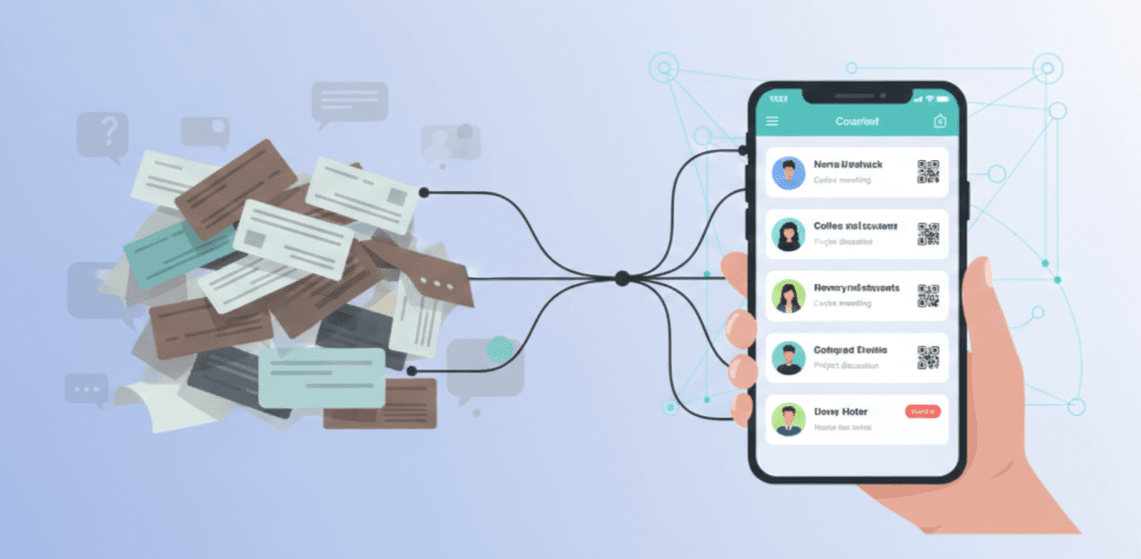
See how QR business cards improve capture and follow-up at events. Offline support, scanning, and data control explained.
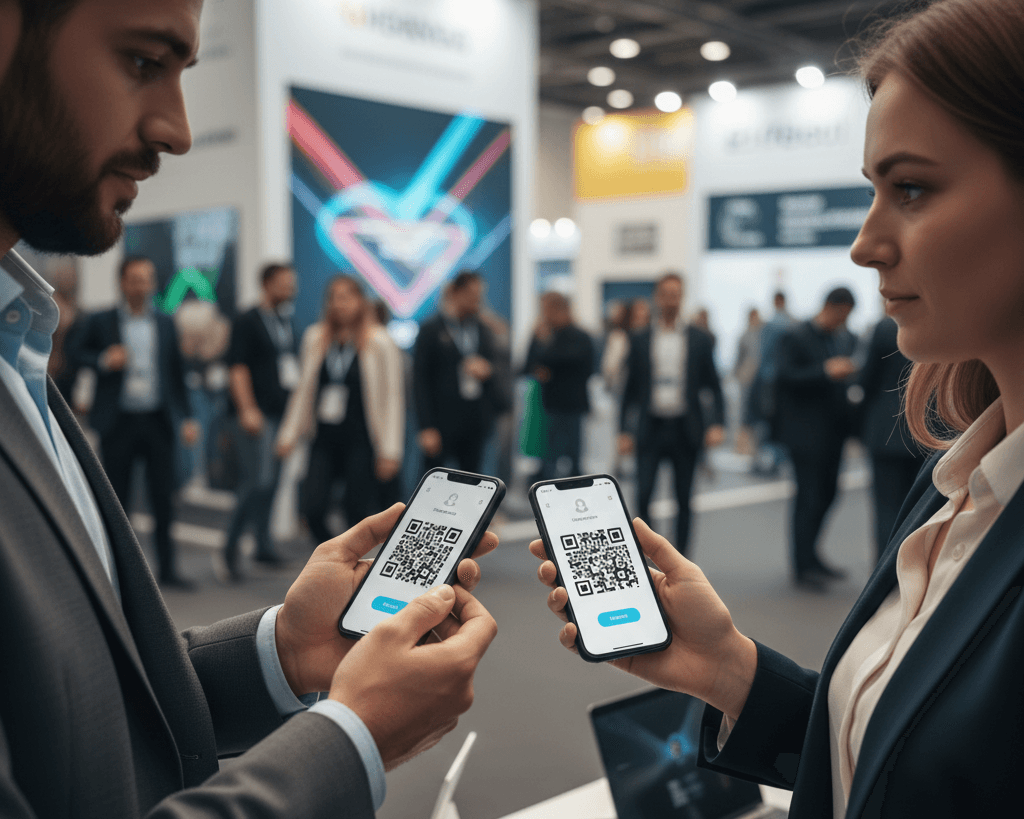
Switching to a QR code business card changed how exchanges worked in crowded, fast-moving settings.
At a busy expo booth, conversations happened back-to-back. There was little time to pause, search for cards, or type details. Sharing a QR code took seconds. It was scanned, saved, and the conversation moved on.
Later that day, while reviewing leads, the contact was already there. Accurate and complete.
That moment made it clear why QR works so well. The digital visiting card kept the exchange moving and enabled a reliable follow-up, even in a high-noise environment. This reflects what matters most at the moment of capture, as explained in A Guide to Obtain High-Intent Leads That Turn Into Real Opportunities.
II. How QR Business Cards Fit into Practical Workflows
What made QR effective wasn’t just speed. It was how naturally it fit into existing workflows.
Using a QR code business card didn’t require changing how conversations happened. It worked in quick meetings, at busy booths, and during informal introductions. The exchange happened in the same moment as the conversation, not as a task to deal with later.
Over time, this shifted how contacts were handled. Instead of collecting details and organising them afterward, contacts were already captured and usable. Follow-ups could happen the same day, while context was still fresh.
This approach works best when capture is immediately followed by action, which is why strong early follow-up systems matter. A detailed breakdown is covered in A Step-by-Step Guide to Building Day-1 Follow-Ups After Events.
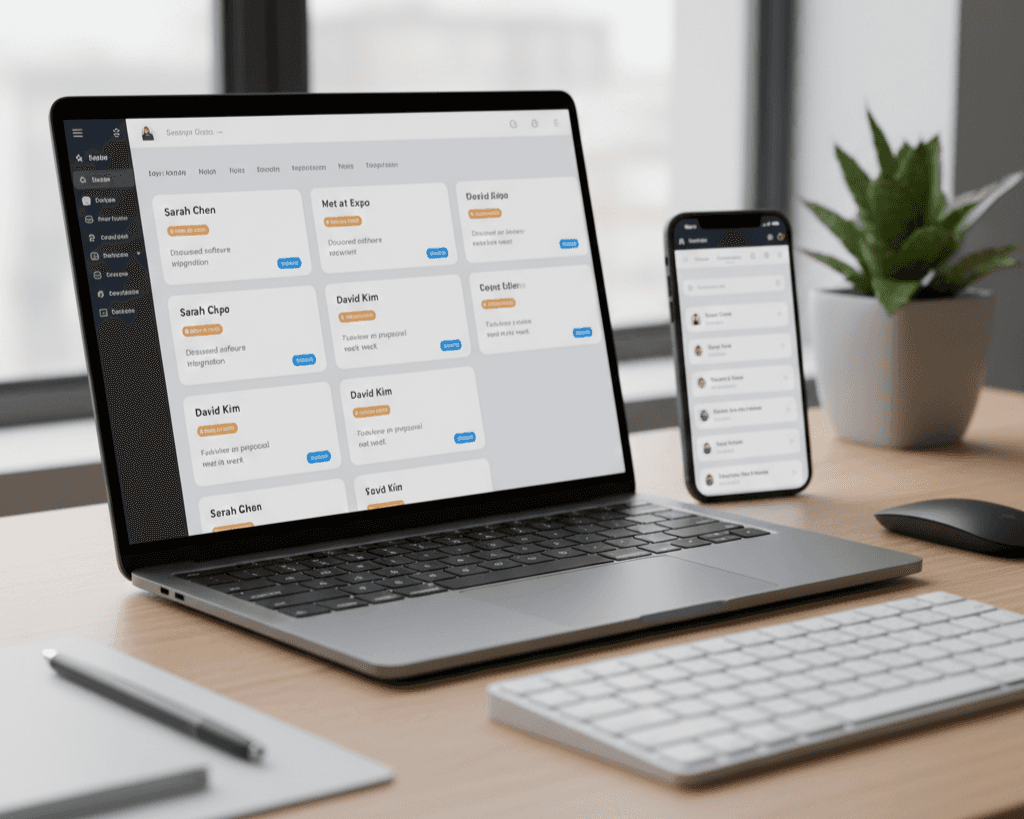
Over time, it became clear that the best digital business card app isn’t defined by design variety or marketing claims.
In practice, “best” meant whether the app could support the entire contact workflow reliably, even in real-world conditions like crowded expos or weak network zones:
Instant QR sharing, online or offline, so exchanges don’t fail when connectivity drops
Fast scanning of physical visiting cards when QR isn’t an option
QR, card, and event badge capture in one system, not scattered tools
Offline capture with automatic sync, built for unstable expo networks
Clear data ownership with easy export, no lock-ins
One organized place to manage and follow up on contacts as the network grows
Easy One Click Excel export and CRM integrations.
Habsy handled this workflow reliably under real conditions. Contacts were captured in seconds at crowded expos, eliminating hours of manual cleanup, reducing errors, and enabling same-day follow-ups.
Many apps do parts of this well. Fewer support the full workflow consistently without adding friction.
If contact data isn’t easy to access, organize, and export, even the best exchange loses its value at follow-up.
Once digital business cards replace paper, the exchange itself becomes simple.
What determines outcomes is what happens next. Follow-up depends on whether contact data stays usable for review, context, organization, and export.
When contacts are locked behind limited exports or scattered across tools, momentum is lost early. Keeping data accessible and structured ensures follow-up remains a continuation of the conversation, not a recovery step.
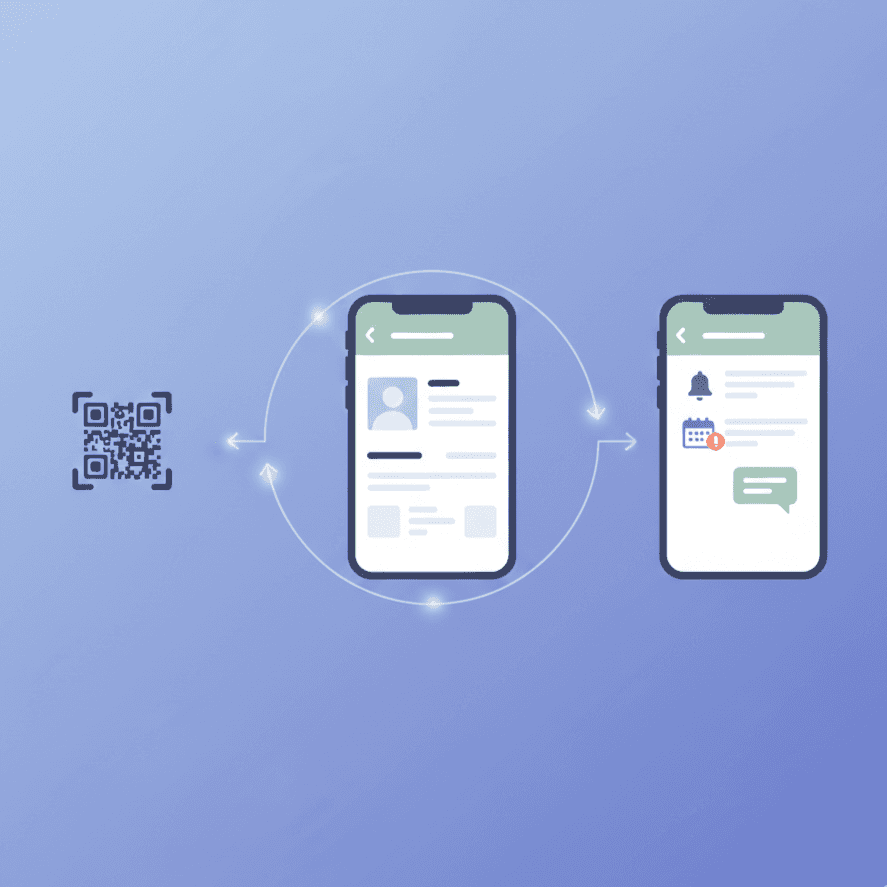
Networking today moves faster, and the cost of losing context is higher.
QR-based digital business cards and organized contact workflows aren’t about replacing human interaction. They exist to preserve conversations after they happen.
If your current process still relies on paper cards, manual entry, or delayed follow-ups, this is a good moment to reassess. Modern, QR-first tools help ensure connections don’t fade before they have a chance to move forward.
Strong follow-ups begin with better capture, not more effort.
Q1. What is a modern networking workflow?
A modern networking workflow is a structured process that captures contacts instantly, organizes them with context, and enables fast follow-ups. It replaces manual entry and scattered notes with a streamlined, digital-first approach.
Q2. Why do traditional business cards fail after events?
Traditional business cards often lead to missed opportunities because contacts are entered late, details are forgotten, and follow-ups are delayed. Many cards never make it into a usable system.
Q3. How do QR-based digital business cards improve networking?
QR-based digital business cards allow instant sharing and saving of contact details. They eliminate manual entry, reduce errors, and ensure contacts are ready for follow-up immediately after the interaction.
Q4. What features define an effective digital business card app?
An effective app supports the full workflow, including QR sharing, card scanning, offline capture, organized contact management, and easy data export. It ensures contacts remain accessible and actionable.
Q5. Why is fast follow-up important in networking?
Fast follow-up, ideally within 24 hours, keeps the conversation fresh and increases response rates. Delayed follow-ups often result in lost context and missed business opportunities.