Blog
Obtaining High-Intent Lead Sources for 2026: How to Capture, Organize, and Convert More Opportunities
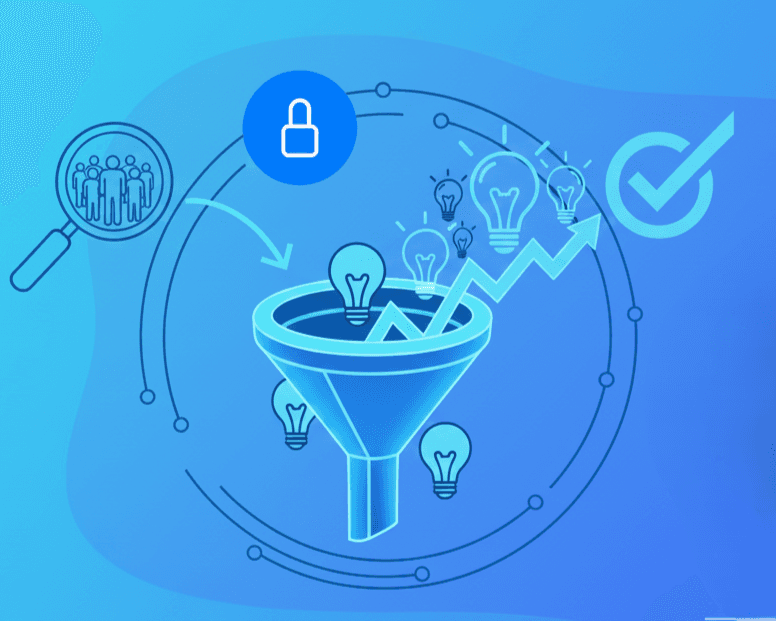
Discover the lead sources that consistently generate high-quality opportunities in 2026 and learn how to convert them with the right strategies, tools, and follow up workflows.

In today’s mobile-first world, understanding where leads originate and how to manage them can make or break your pipeline. Many teams now rely on a Mobile App Business Card solution or Mobile Visiting Card alternative, along with a modern business card manager, to ensure contacts are captured and remembered correctly from the very first interaction.
Not all leads come from the same place, and not all leads carry the same intent.
Some sources filled my CRM but never moved. Others produced fewer leads but closed consistently. Eventually, I stopped focusing on volume and started focusing on where my strongest opportunities were actually coming from.
This is the breakdown I wish I had when I first started mapping my lead sources.
I. Primary Lead Sources That Influence Pipeline Performance
Lead sources fall broadly into two categories based on how trust is created and who initiates the conversation.
Some leads are built through direct human interaction, where trust is formed in real time. Others are generated indirectly, where interest is expressed digitally after research or exposure.
Understanding this distinction changed how I prioritize, qualify, and follow up.
A. Relationship‑First Leads:
These are leads where the relationship starts through direct human interaction - conversations, meetings, or introductions. Trust is built before the lead ever enters a system.
1. Events and Trade Shows
Events became one of my most reliable sources of high‑intent leads because they compress trust into minutes. Decision‑makers are present, conversations are contextual, and interest is visible.
At booths, demos, or networking areas, I can qualify intent immediately. Body language, questions asked, and urgency are clear in a way digital channels rarely match.
Example: At a logistics expo, I met an operations head struggling with data accuracy. Because the conversation happened face to face, the follow‑up skipped introductory discovery and moved straight into a workflow review.
Why intent is high:
Personal interaction builds instant credibility
Prospects self-select by approaching or engaging
Context is rich and specific
If you’ve ever wondered why so many of these leads still disappear after the event, this explains it clearly: Why Trade Show Leads Disappear (And How to Prevent It)
2. Referrals and Introductions
Referrals delivered the fastest‑moving opportunities in my pipeline. Trust is transferred from the referrer, reducing skepticism before the first conversation.
Example: A client introduction to another department bypassed qualification entirely and moved straight into implementation discussion.
Why intent is high:
Trust is pre‑established
Social proof replaces persuasion
Fewer touchpoints needed
3. Direct Meetings and Personal Outreach
This includes scheduled meetings, warm introductions, and highly personalized cold outreach where relevance is obvious.
Example: A short, personalized message referencing a prospect’s recent achievement led to a booked meeting within hours.
Why intent is moderate to high:
Prospect feels personally understood
Conversation begins with relevance
Trust builds early
B. Intent‑First Leads:
These leads begin without direct human contact. Trust is built through content, visibility, and repeated exposure - and the prospect initiates contact when ready.
1. Website and Landing Pages
Website leads arrive after self‑driven research. Visitors explore product pages, compare options, and evaluate fit before submitting a form.
Example: Visitors who reached pricing pages often converted into demos within days.
Why intent is moderate to high:
Prospect initiates contact
Problem awareness already exists
Evaluation is underway
2. SEO and Long‑Form Content
SEO became the most sustainable indirect source, especially as more buyers researched digital business cards, evaluated a Digital Business Card app, or compared the best business card scanner apps before reaching out. Content attracts prospects actively researching solutions over weeks or months.
Example: Blogs published months earlier continued generating qualified leads who were already educated.
Why intent is progressive:
Trust builds through education
Leads arrive informed
Sales cycles are smoother
3. Paid Search and Digital Advertising
Paid ads connect with prospects actively searching for solutions. While trust is lower initially, urgency is often higher.
Example: A demo booked minutes after an ad click because the buyer journey had already started.
Why intent is situational:
Problem urgency is high
Trust must be reinforced quickly
Speed of follow‑up matters most
4. Social Media and Content Distribution
Social platforms act as discovery engines. Leads may not be actively searching but resonate with shared problems.
Example: A LinkedIn workflow breakdown triggered inbound messages from professionals facing similar bottlenecks.
Why intent varies:
Awareness‑stage discovery
Requires nurturing
Trust builds over time
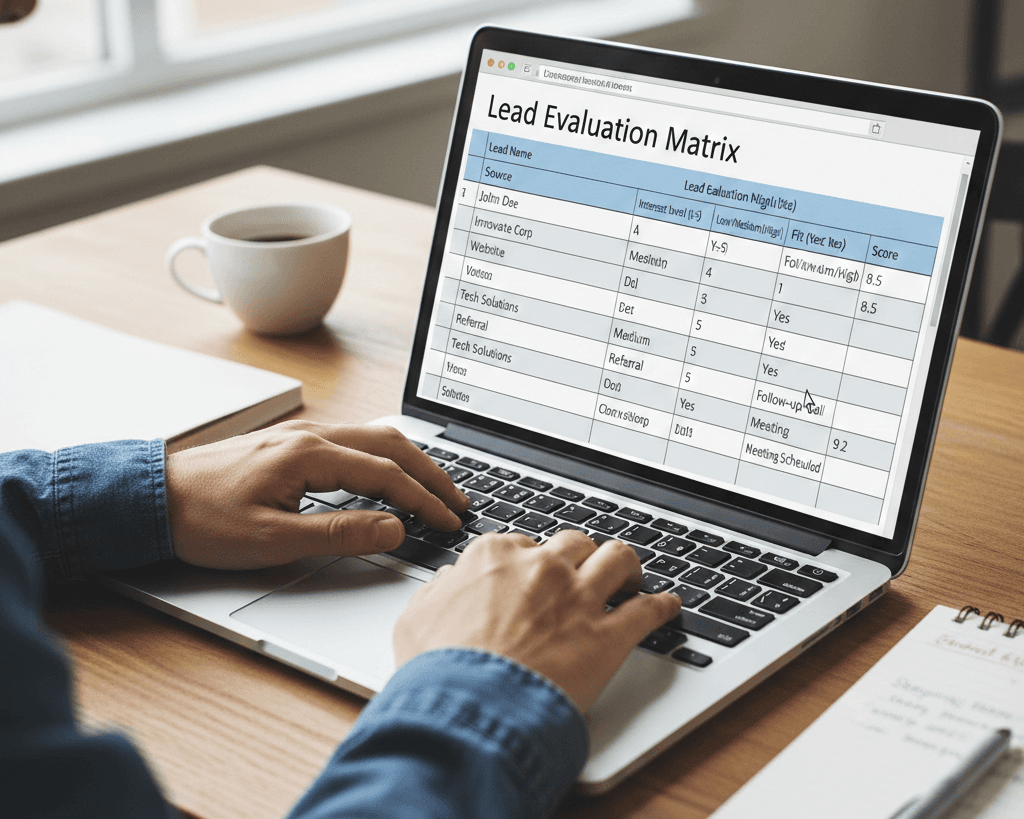
Over time, one pattern became clear to me: different lead sources don’t just bring different volumes - they bring different buying behaviors. Once I saw this, pipeline performance became far more predictable.
1. Event leads consistently showed the highest intent because trust and context were created in real time. These conversations didn’t need heavy education later - they needed continuity and thoughtful follow‑through.
2. Referral leads moved the fastest. Trust was already transferred before the first call, which meant fewer steps, less resistance, and quicker decisions.
3. Paid search leads arrived closest to a decision point. Urgency was high, but patience was low. When follow‑ups were slow or generic, momentum dropped almost immediately.
4. Website and SEO leads gave me long‑term consistency. They didn’t spike overnight, but they compounded steadily, bringing in prospects who were informed, curious, and easier to engage.
5. Social leads took longer to mature, but when nurtured well, they often turned into strong opportunities because the problem alignment was already there.
6. No single source powered my pipeline on its own. High‑intent sources created momentum, while inbound channels created stability. Together, they made growth resilient and predictable.
Opportunity Is Created Early, Revenue Is Earned Later
I learned quickly that strong lead sources only create opportunity - follow‑up is what turns that opportunity into revenue. Most B2B leads didn’t fail because interest was missing. They failed after the first interaction.
Context Fades Faster Than We Expect
Context faded faster than I expected. Conversations that felt clear in the moment became vague within days if they weren’t captured properly. Without notes or reminders, follow‑ups lost relevance and trust weakened.
Timing Is a Competitive Advantage
Timing mattered more than effort. High intent didn’t wait. When responses were delayed, prospects slipped back into comparison mode or deprioritized the conversation altogether.
One Follow‑Up Flow Does Not Fit All Leads
I also realized that treating every lead the same was costing me conversions. Relationship‑First Leads needed continuity and respect for past conversations, while Intent‑First Leads needed speed and clarity. One generic follow‑up flow diluted both.
Follow‑Up Is How Trust Is Reinforced
Above all, follow‑up reinforced trust. Remembering past needs, referencing earlier context, and showing consistency signaled reliability - not automation.
Bottom line: Lead sources opened the door. Follow-up decided whether the conversation moved forward, stalled, or closed.
For a practical, step-by-step breakdown of how to execute this in real scenarios, read A Step-by-Step Guide to Building My Day-1 Follow-Up Workflow.

How Habsy Sustains Relationship‑First Leads Over Time
Relationship‑First Leads don’t end after the first meeting or the first deal. In B2B, the real value of these relationships often unfolds over months or even years. What matters most is continuity - remembering who the person was, why the conversation mattered, and what their evolving needs were.
Habsy plays a critical role here by acting as a long-term memory layer for your relationships. As it functions as a reliable SMB contact management app and business card manager for SMBs, built for long-term B2B continuity. long‑term memory layer for your relationships.
Instead of relying on scattered notes, inboxes, or personal recollection, every interaction stays attached to the contact:
Context is preserved - why you met, what was discussed, and what mattered to them at that moment
Needs and requirements are recorded - not just once, but updated as conversations evolve
Voice notes capture nuance - tone, urgency, objections, and intent that text often misses
Follow‑ups remain intentional - reminders ensure relationships don’t fade with time
Smooth CRM Handoff - Clean, deduplicated CSV exports ensure sales teams receive complete, actionable data, including the ability to scan business cards to CSV, apply contact deduplication before CRM import, and support teams using multilingual business card OCR. - Clean, deduplicated CSV exports ensure sales teams receive complete, actionable data.
When a contact resurfaces after months or years, you’re not starting from zero. You re‑enter the relationship with full context, credibility, and continuity - exactly how strong B2B relationships are maintained.
Habsy Business Card Manager doesn’t just help you capture Relationship‑First Leads. It helps you honor the relationship long after the first interaction.
Understanding lead sources transformed how I build and convert pipeline. But sources alone aren’t enough.
An optimized lead engine is not just about where your leads come from; it is about how effectively you move them forward. When every capture is clean, every detail preserved, and every next step intentional, conversion becomes a natural outcome instead of a lucky one.
Strong lead sources create opportunities. A strong system converts them.
Q1. What are high-intent leads?
High-intent leads are prospects who show strong buying signals through their actions, questions, urgency, or relevance to your offer. They are more likely to move forward because interest and context are already visible.
Q2. Which lead sources usually create the highest-intent opportunities?
Events and trade shows, referrals, and direct meetings often create the highest-intent opportunities because trust is built through real interaction before the lead ever enters a system.
Q3. Why do strong leads still fail to convert?
Strong leads often fail because follow-up is delayed, context is lost, and every contact is treated the same. Without notes, reminders, and relevance, even good opportunities can stall.
Q4. Why is follow-up so important for high-intent leads?
Follow-up is what turns opportunity into revenue. High-intent leads do not stay warm for long, so timely and relevant outreach is critical to maintain trust and momentum.
Q5. How does Habsy help teams convert high-intent leads?
Habsy helps teams capture contacts with context, keep notes and voice memos attached to each lead, set reminders, and export clean CRM-ready data. This makes follow-up more intentional and improves the chances of conversion.