Blog
Discover how modern lead conversion works, from capture to handoff, and how unified tools like the Habsy Business Card Manager boost speed, accuracy, and results.
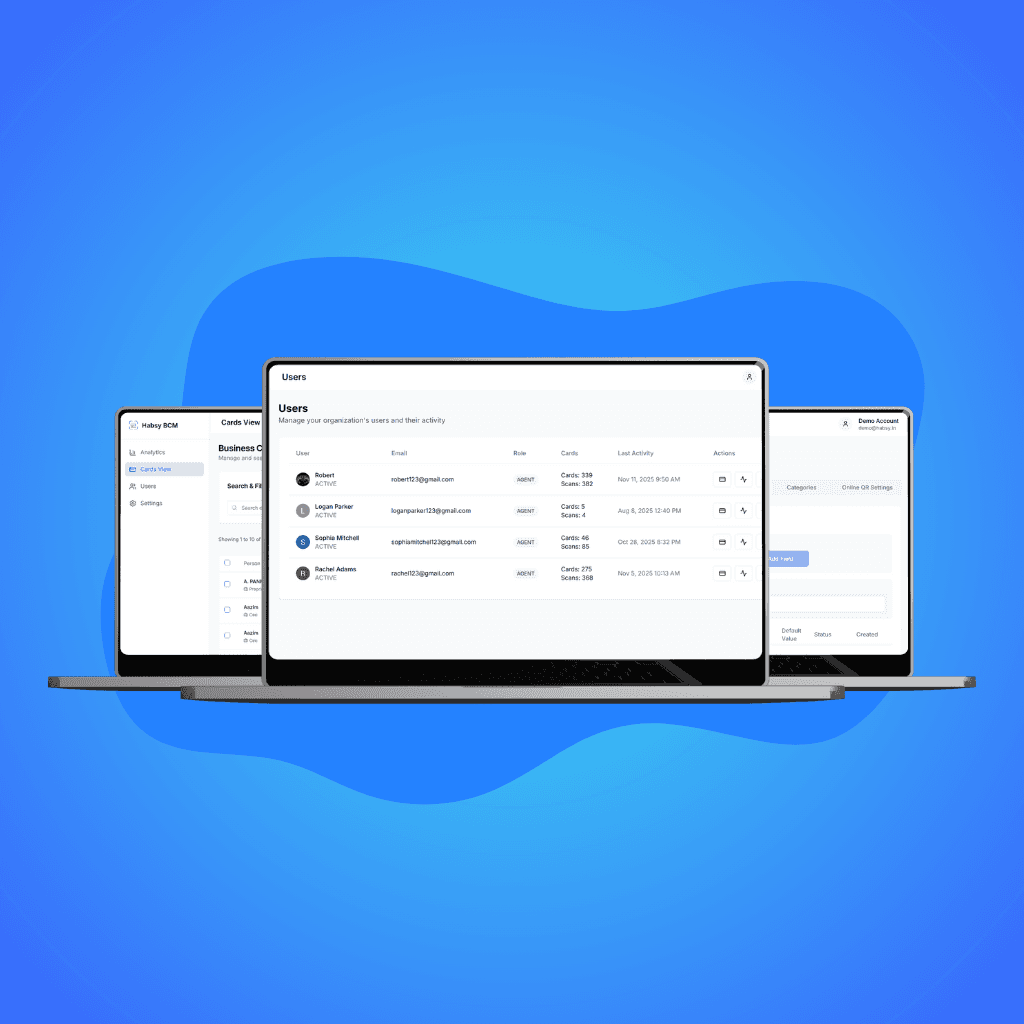
Discover how modern lead conversion works, from capture to handoff, and how unified tools like the Habsy Business Card Manager boost speed, accuracy, and results.
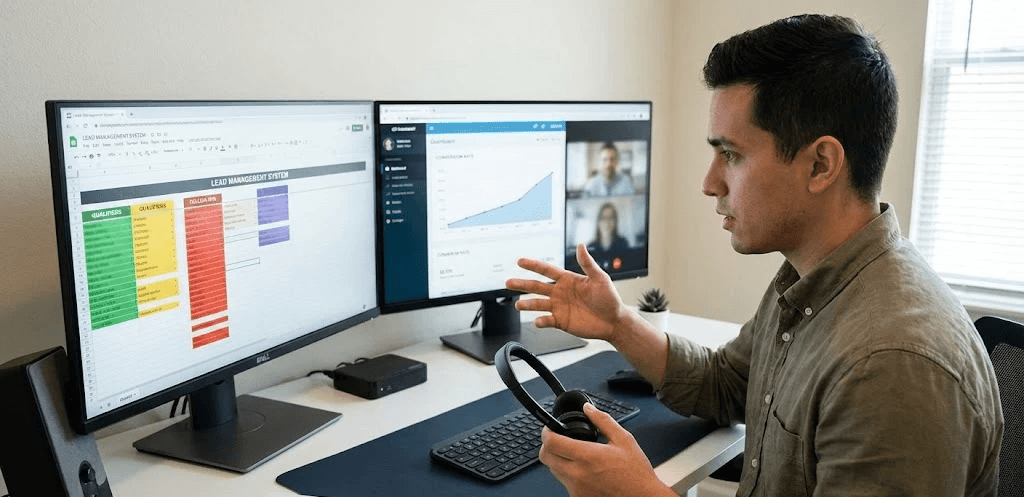
I remember the moment it hit me: I had finally built a clean lead management system with organized lists, clear qualifiers, and structured follow ups, yet conversions were still lagging. Everything looked neat, predictable, and disciplined, but deals were not closing at the speed I expected.
It felt like having a perfectly arranged cockpit but not enough runway to take off.
That is when I realized something important: lead management creates order, but lead conversion creates progress. Management prepares the pipeline; conversion moves it. Once I shifted my thinking from only organizing leads to actively advancing them, my entire flow changed. My responses became faster, my conversations became clearer, and outcomes became more predictable.
I. How Lead Conversion Differs From Lead Management
Lead management gave me structure; it kept everything organized, clear, and easy to navigate. But I eventually realized that structure alone does not create progress. While lead management helps me understand who the lead is, where they fit, and what they might need, lead conversion is what actually moves them forward. It is the part of the process that turns organized information into real momentum: conversations, meetings, proposals, and revenue. That shift from simply managing leads to actively advancing them is what changed everything for me.
1. Lead Capture
I have learned that capturing a lead on the spot, while the conversation is still fresh, saves me from losing the small details that shape meaningful follow up. Even though lead capture belongs to lead generation and lead management, I began to understand how strongly it influences conversion. When capture is quick, accurate, and contextual, every later interaction becomes easier. Clean capture is the first step toward a clean conversion.
2. Lead Qualification
Qualification also sits within lead management, but I saw firsthand how deeply it affects conversion quality. Once I started adding simple qualifiers such as interest level, product fit, and urgency, I suddenly knew who deserved immediate attention. Qualification stopped being paperwork and became my compass. The better I qualified, the more accurately I converted.
3. Lead Distribution and Fast Follow Up
I have learned that follow up must happen almost instantly if I want the lead to stay warm. Reaching out within minutes, not hours, keeps the conversation alive while the lead still remembers the interaction and the intent behind it.
I also realized that fast ownership is just as important. When a lead is assigned immediately, someone takes responsibility and the follow up does not get delayed.
Whenever I propose the next step, especially a meeting time, acceptance rates increase. Even a short delay makes momentum fade, and once it fades, conversion becomes harder.
My rule became simple: respond fast, assign fast, schedule fast.
4. Lead Nurturing
I have learned that some leads simply need more time, and pushing them too quickly creates resistance. When a lead is not ready, I keep the conversation alive instead of trying to force a decision. Sharing an insight, checking in at the right moment, or offering something useful keeps me on their radar. Slow moving leads often return stronger. Consistent value builds trust, and trust eventually turns into conversion.
5. Lead Conversion and Handoff
By the time I reach the conversion stage, I have learned that the outcome depends on what I captured earlier. When my notes are clear and I understand the lead’s intent, moving them into a meeting or proposal feels smooth.
Without that context, everything drags. I end up revisiting basic questions, and the lead quickly feels less understood. That hesitation slows the entire momentum.
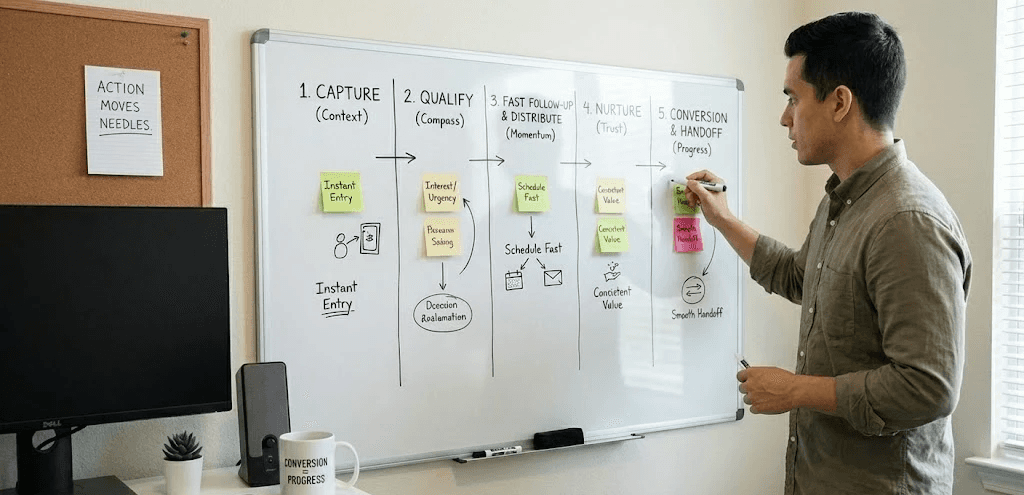
Over time, I stopped seeing conversion as a single action and started seeing it as a connected flow:
Capture → Qualification → Follow Up → Nurture → Convert.
When each step works together, deals do not feel like surprises; they feel like outcomes. My pipeline developed its own rhythm.
I also realized how important it is to recognize the moment a lead becomes an MQL and when they are ready to shift into SQL territory. Once interest, fit, and readiness are clear, the handoff to sales becomes confident.
A clear MQL to SQL progression sets up the opportunity stage with the right context. When those pieces are in place, conversion feels natural rather than forced, and outcomes become predictable.
I realized that each of the five steps needed proper support. But using separate tools for each one slowed me down and broke my momentum. What helped was using solutions built for every stage inside one workflow.
Instant and Accurate Lead Capture
Fast scanning with multilingual business card OCR gave me accurate starting points. I could focus on the conversation without worrying about losing context.
On the Spot Lead Qualification
Adding qualifiers at capture gave me clarity on who to prioritize without revisiting leads later.
Fast, Context Rich Follow Up
Voice notes preserved nuance. Reminders kept timing consistent. This combination helped maintain momentum.
Clean, Organized Lead Records for Better Nurturing
Review and deduplication prevented repeated outreach and kept communication clean, helping me nurture leads without confusion.
Seamless, CRM Ready Lead Handoff
Mapped CSV exports ensured sales received everything they needed, making the opportunity stage smooth.
Strengthening Lead Scoring and Revealing High-Potential Prospects
AI enrichment helped me understand my leads beyond just the basic card details. It analyzed roles, industries, intent signals, and interaction patterns to identify which contacts showed strong potential. This made it easier to sort Marketing Qualified Leads, highlight hidden opportunities, and prioritize the leads most likely to convert. Instead of manually guessing who was worth the next step, AI gave me clear direction and a sharper path forward.
All of these steps working together are why I ultimately chose the Habsy Business Card Manager. Instead of switching between multiple apps, I finally had a continuous workflow that supported every stage of lead conversion.
Lead management kept my pipeline in order, yet it was lead conversion that unlocked its full potential and drove consistent growth.
The biggest breakthroughs came from acting faster, capturing richer context, and keeping data clean. When I paired these habits with the right digital tools, especially the Habsy app, my pipeline became predictable, responsive, and conversion ready.
Lead conversion is not the end of the funnel. It is where the entire effort finally turns into results.
1. Why is reaching out quickly more effective than following up later?
Fast outreach matters because a lead’s intent is highest immediately after an interaction. When you respond quickly, you tap into their existing interest, their memory of the conversation is still sharp, and your message feels relevant rather than intrusive.
2. Why does scheduling a demo sooner improve conversion rates?
Scheduling a demo early keeps the lead in an active decision-making mindset. The longer you wait, the more space there is for doubts, delays, internal approvals, or competing solutions to interfere.
3. Why is momentum important between each touchpoint?
Momentum keeps the buying journey smooth by ensuring the lead always knows what comes next. When gaps between touchpoints are too long, leads lose context, priorities shift, and the process feels fragmented.
4. Why should follow ups be structured and consistent?
Structured follow ups ensure that no step in the buyer journey is missed or delayed. Consistency builds trust, shows professionalism, and signals reliability to the lead.
5. Which app replaces multiple tools in the lead conversion process?
Habsy Business Card Manager handles the entire lead conversion workflow in one place. Scan business cards, QR badges, and NFC contacts at 99% accuracy. Set intent signals and tags at the point of capture so your follow-up list is ranked before you leave. Speak your meeting takeaways as voice notes that are transcribed and searchable. Enrich any contact with company and person context on demand with one tap. Send personalized email and WhatsApp follow-ups using AI-generated templates without switching apps. Set reminders so no lead goes quiet. And with Habsy Platform, push clean, enriched contacts into any CRM of your choice. No switching between tools at any step.